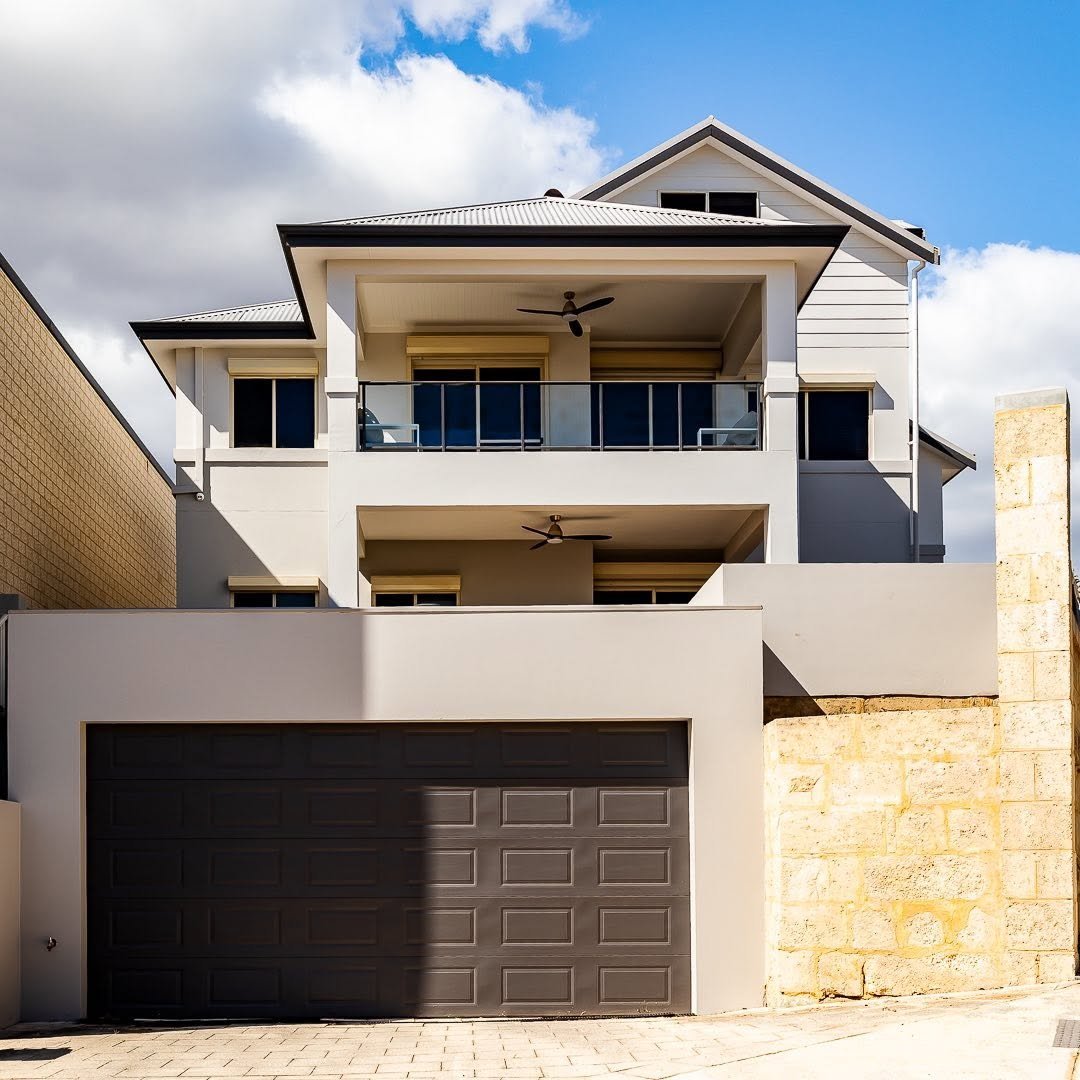
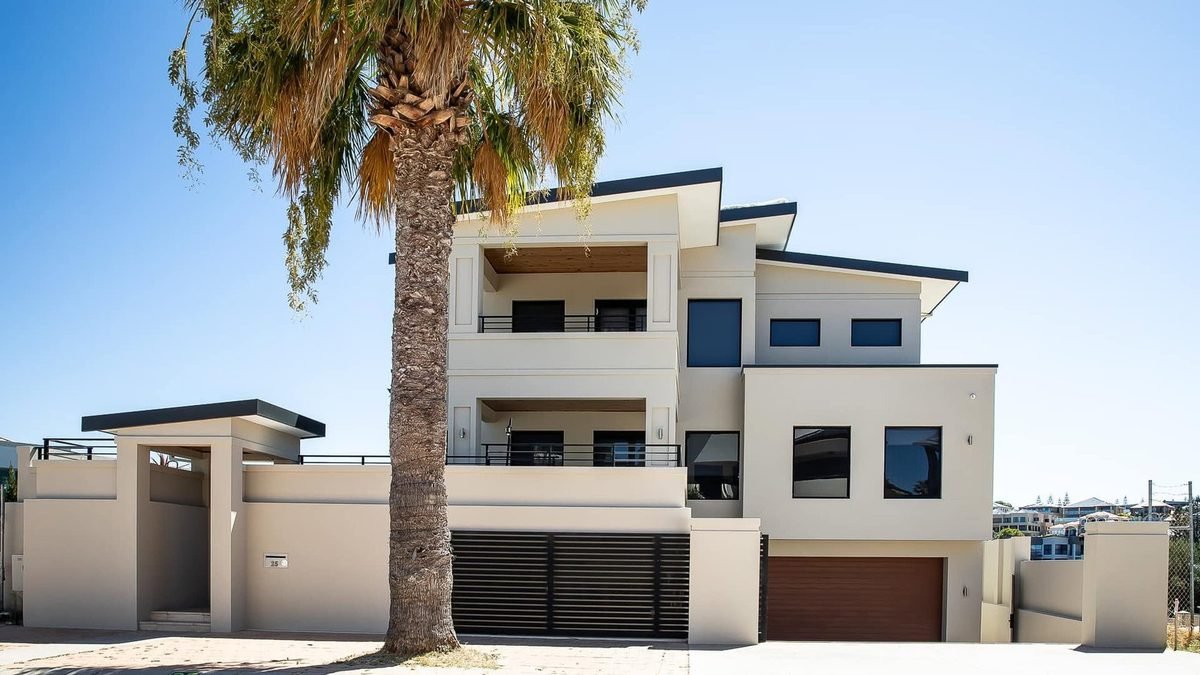
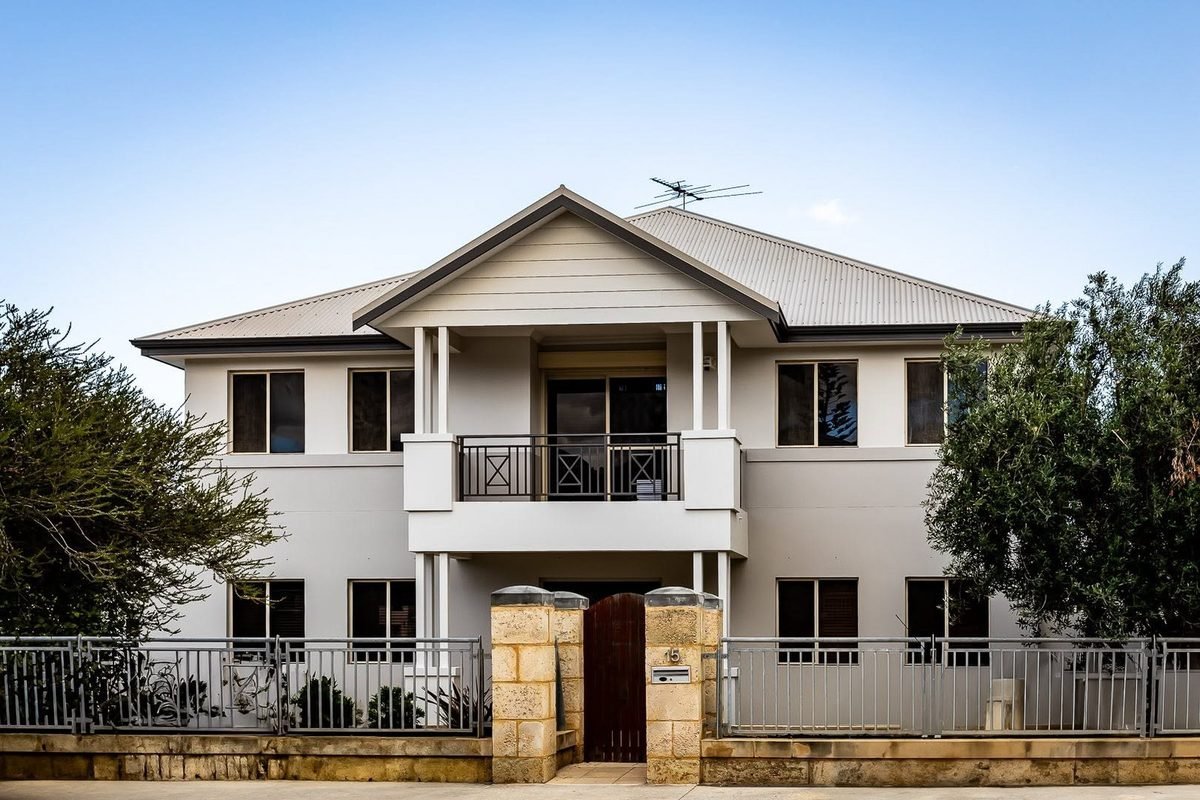
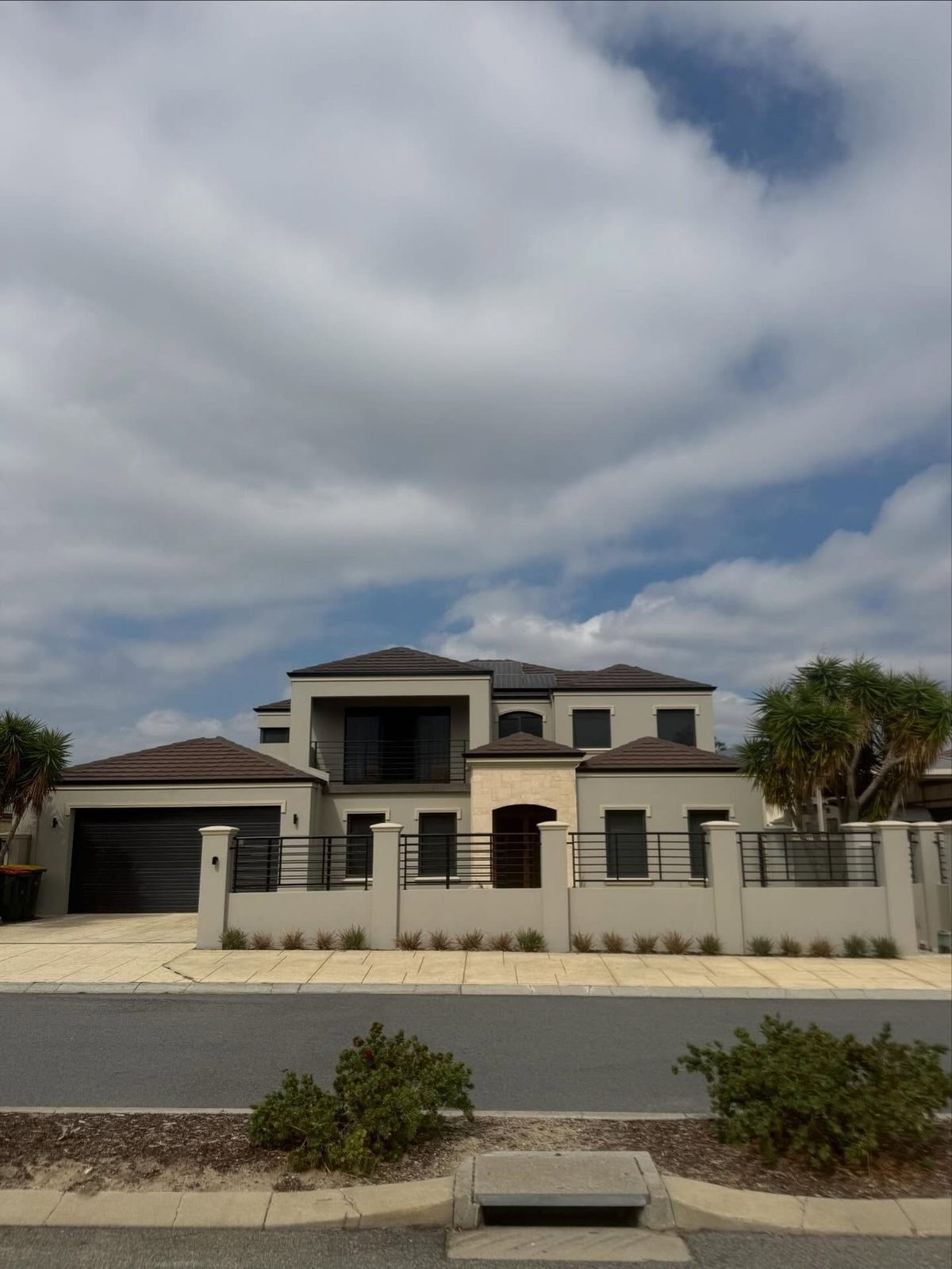
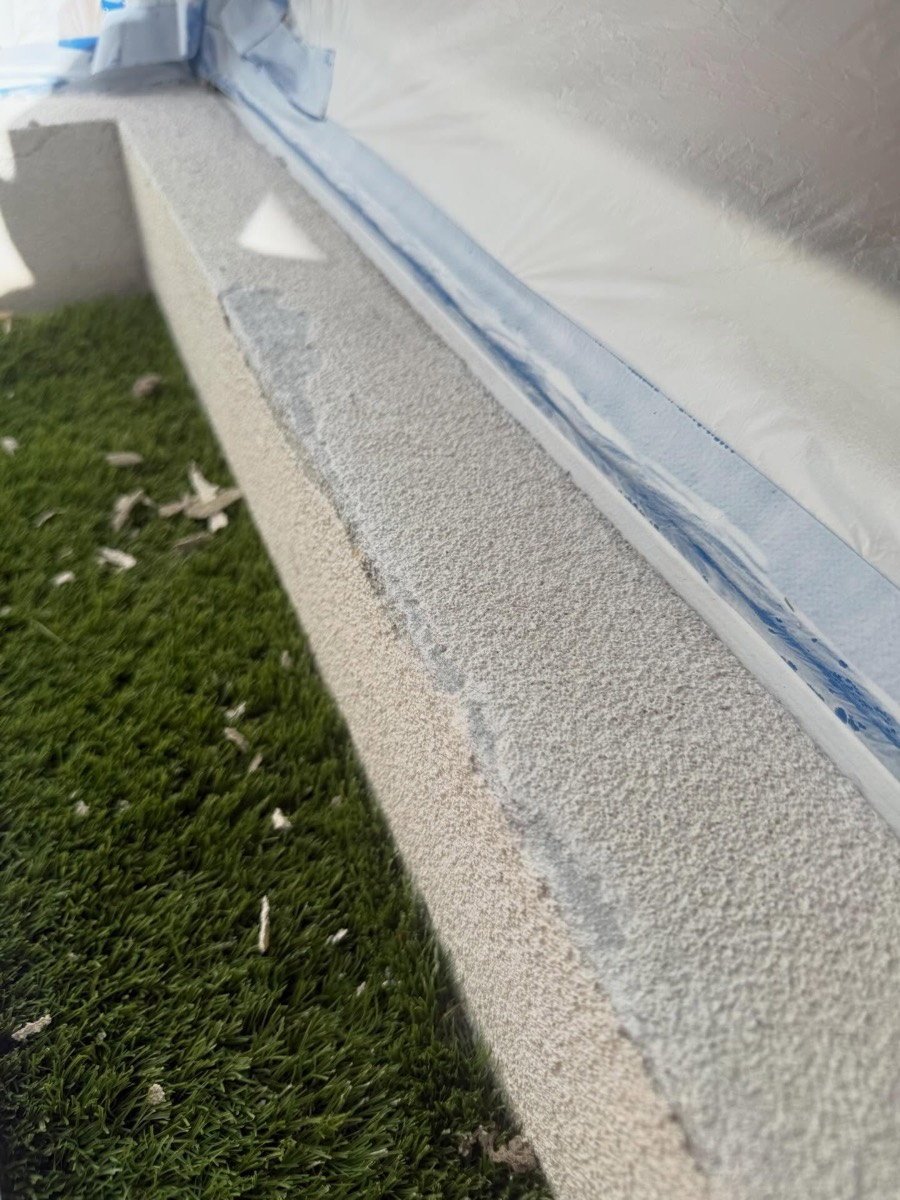
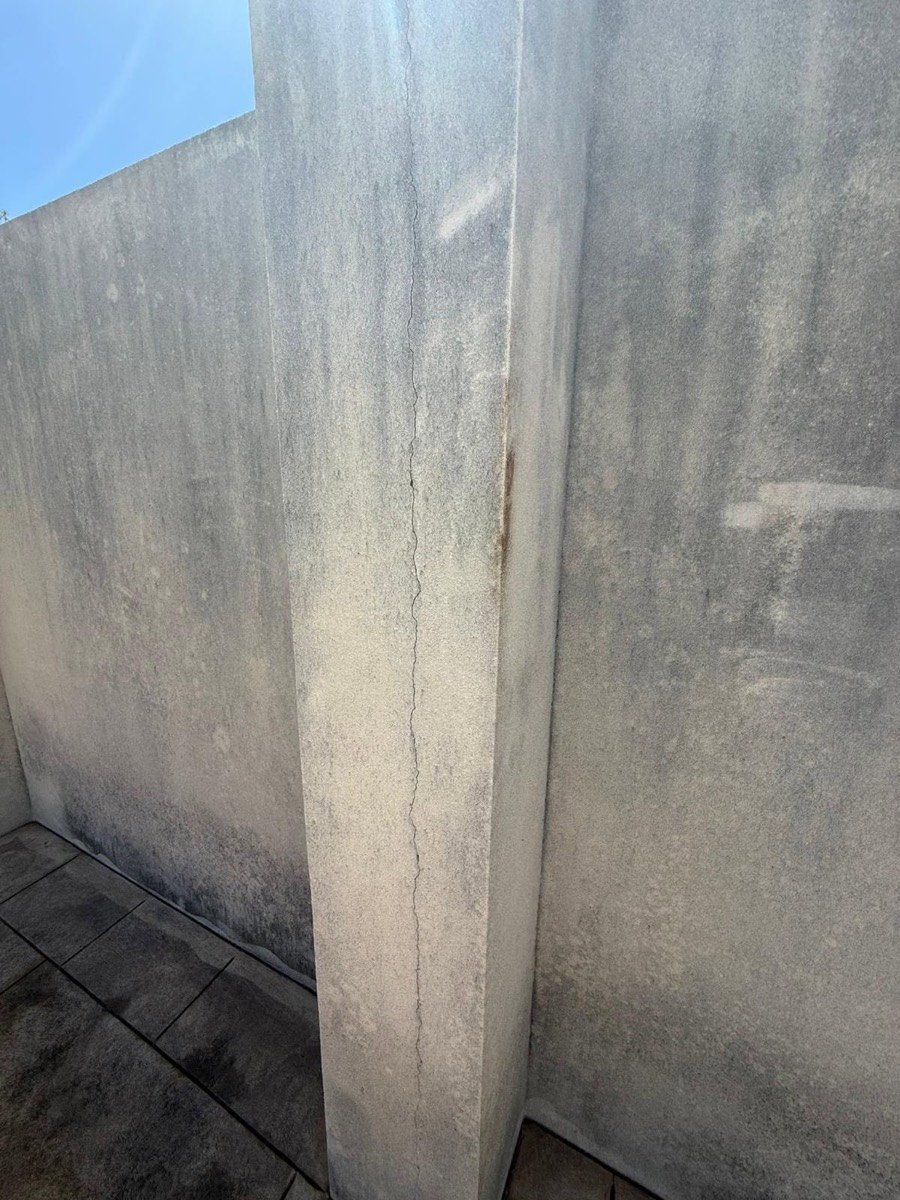
Cracked, hollow or failing render? We'll fix it properly.
Render repairs fix cracked, drummy, hollow or blown render at the source — cutting out and re-rendering the failed section, then sealing it before repainting, so the fault doesn't telegraph back through the new coat.
Cracked, hollow or loose render is one of the most common exterior problems on Perth homes, and one of the most misunderstood. The damage you can see on the surface is rarely the whole story. A hairline crack, a drummy patch or a flaking edge is usually a sign of something happening behind the render, and covering it with paint only hides the problem for a season before it returns, often worse than before.
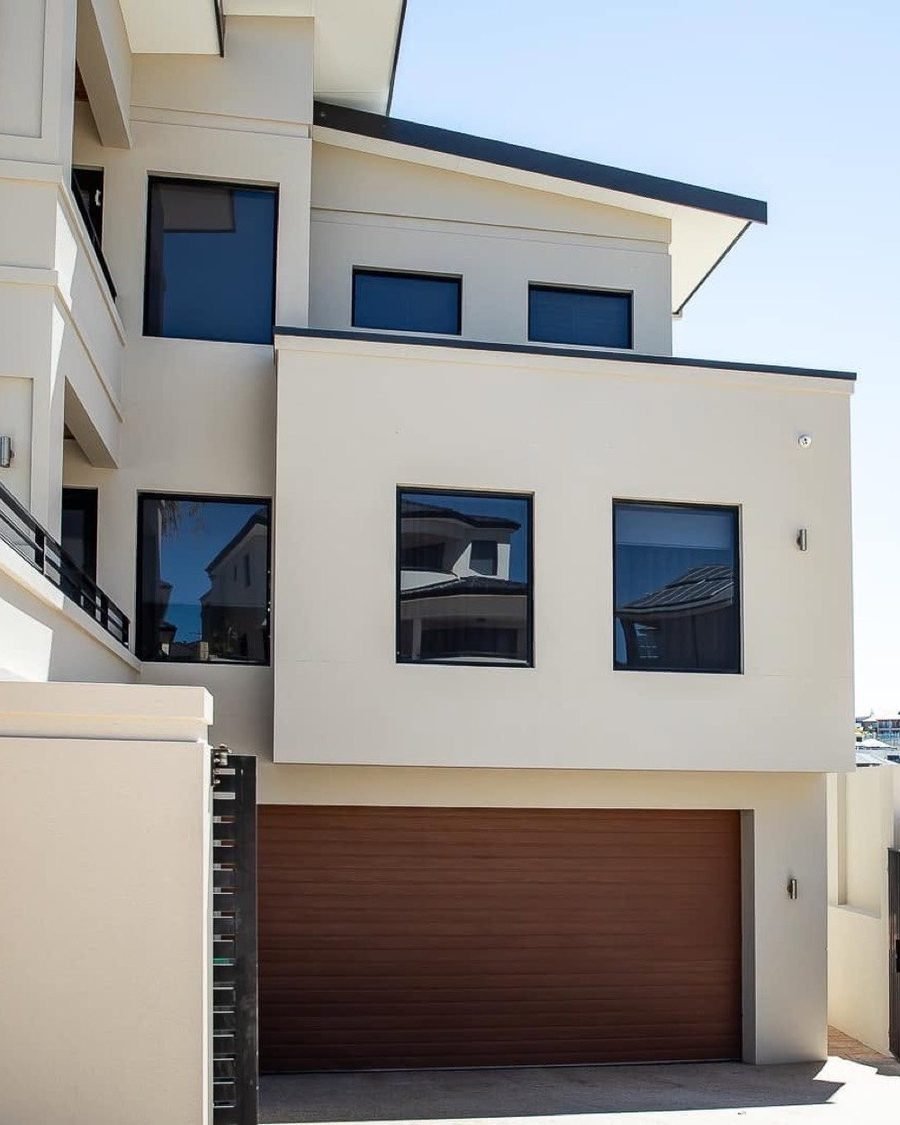
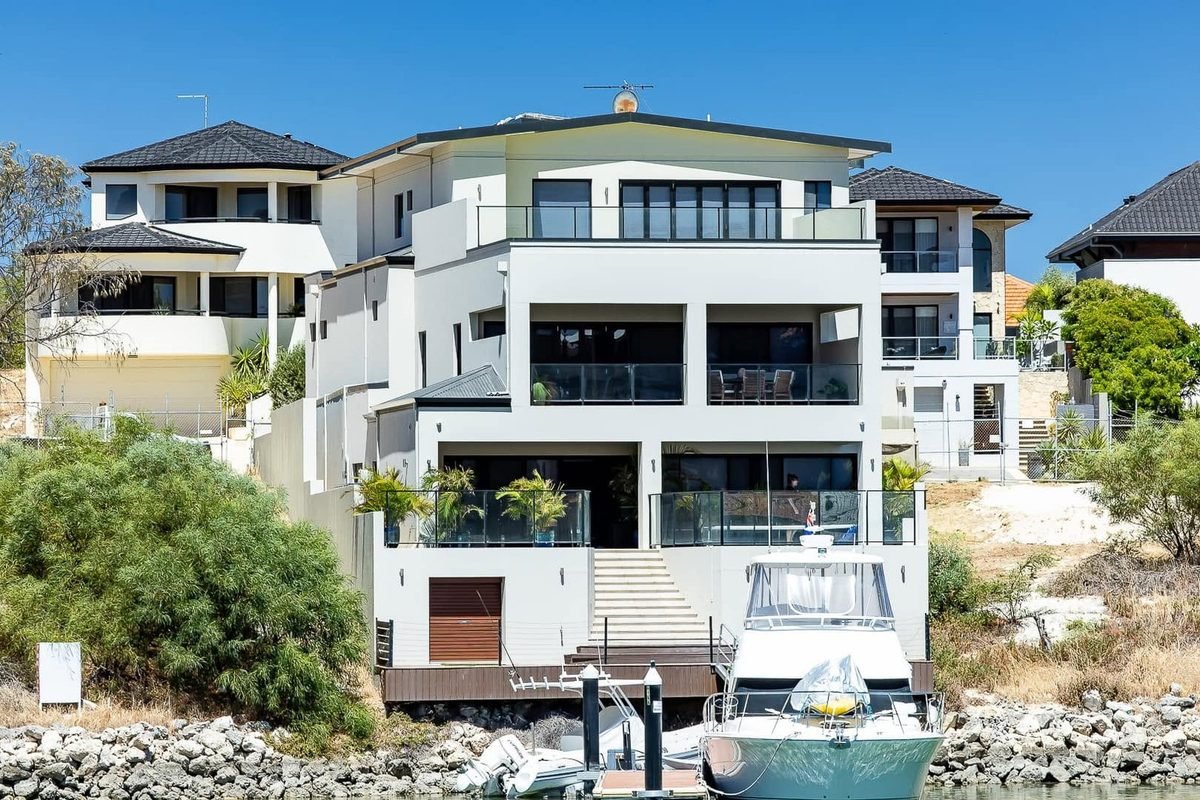
At LA Painting & Decorating, we're render repair specialists working right across Perth. From cracked render and isolated damaged sections through to hollow, loose and failed render that needs cutting out and rebuilding, we handle exterior render repairs of every kind. That includes both traditional sand-and-cement render and modern acrylic render, as well as the lightweight foam (EPS) render systems on many newer Perth homes, each of which fails and is repaired differently. Every repair is carried out with the correct materials and techniques for the substrate and for Perth's conditions, and finished to blend into the surrounding wall so you can't see where the work was done. In 18 years repairing render across Perth, we've learned that a repair only holds if you treat the cause behind the wall, not just the crack on the surface.
“Wonderful job painting our exterior. The team were professional from start to finish, they patched the little imperfections, prepped everything properly, and even gave my garage door a fresh respray. Communication was excellent and the end result looks fantastic. Highly recommended. Thanks again to Luke, Lauren and the crew!”
Nichola HugoPerth, WA
★★★★★
“Highly recommend Luke and Lauren. Exceptional standard, high quality work, and clear, timely communication throughout our experience with them.”
Getting a render repair right is less about filling a crack and more about understanding why it appeared. We assess the render properly, identify the cause of the damage, repair it at the source, and prepare the surface so whatever goes on top holds. If your render is sound but tired, faded or weathered rather than damaged, our render restoration & repainting service is likely the better fit, and for textured finishes, see texture coat restoration & repair.
If you've noticed cracking, a hollow sound when you tap the wall, or render lifting away in places, it's worth having it looked at sooner rather than later. Small repairs caught early are a fraction of the cost and disruption of the extensive re-rendering you'll face if the damage is left to spread. Once the render is sound again, it's the ideal time to refresh the whole home with a complete exterior repaint, and our guide to the best paint for render covers what to recoat it with.
With 18 years on the tools, render and texture work is a core part of what we do across Perth, not an occasional job squeezed between repaints.
Attention to detail
We match profile, texture and level so repairs blend into the wall, and we won't sign off on anything that would show through the finish.
Correct repair methods
We fix the cause of the damage and use the right sequence and techniques, so repairs hold rather than reappear.
Quality materials
As a Dulux Accredited Painter we specify materials suited to your substrate and to Perth conditions.
Professional communication
You'll get a clear written quote, a realistic timeframe and straight answers, no surprises once we've started.
Long-lasting workmanship
Fully licensed, insured and accredited, and focused on results that still look right years down the track.
Warning signs
Signs your render needs repair
Render usually gives you warning before it fails completely. Catching these signs early keeps a repair small and inexpensive, here's what to look for on your Perth home.
Cracks in the render
From fine surface or 'map' cracking to wider cracks around windows, corners and control joints. Fine crazing is often cosmetic, but a crack you can catch a fingernail in, or one running in a straight line from a window corner, usually points to movement or moisture behind the wall. Either way it gives water a way in, so it's worth checking before it widens.
Hollow or drummy areas
A hollow, drummy sound when you tap the wall means the render has lost its bond with the surface behind it. Run your knuckles across the render and you'll hear solid areas and detached ones straight away. Left alone, those hollow patches trap moisture and eventually lift or blow off, often taking a bigger section with them.
Loose or lifting render
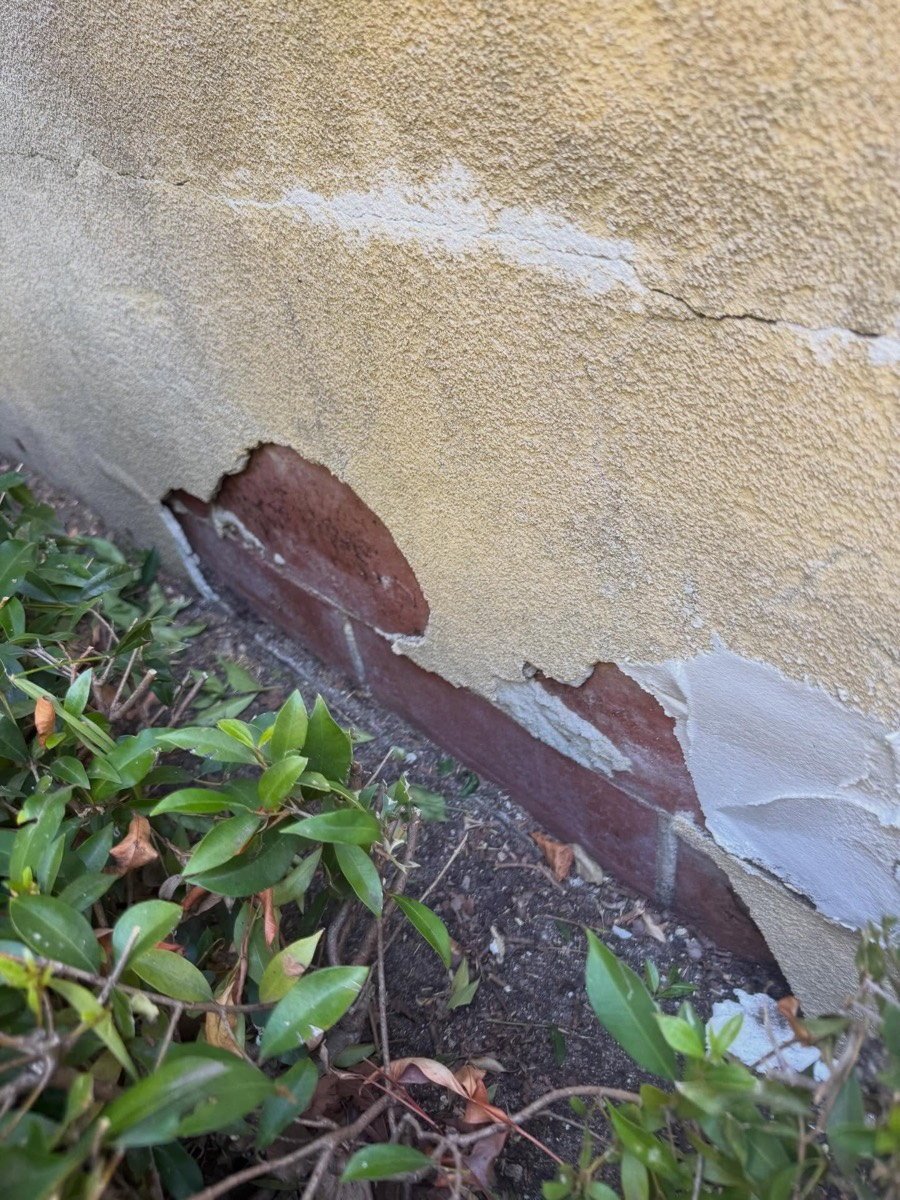
Sections that are bulging, lifting at the edges or coming away from the wall have already failed. You'll most often see it low on a wall, under windowsills or along parapet edges where water tends to collect. Once render is loose it can't just be painted over, it needs cutting back and rebuilding.
Flaking or crumbling sections
Powdery, flaking or crumbling render points to deterioration or moisture in the material underneath. If you rub the surface and it comes away as chalk or grit, the coating and render have broken down and won't hold a new finish. It's a sign the wall needs proper preparation, not just a fresh coat of paint.
Impact damage
Chips, holes and knocks from ladders, equipment, vehicles or storm debris that have broken through the render surface. Even a small break exposes the wall behind to water, and damage near a driveway or garage tends to get knocked again. Repairing it early stops a minor chip turning into a spreading patch of damage.
Water-related deterioration
Damp patches, staining, white salt deposits (efflorescence) or bubbling paint all show water is getting into the render. The damage usually appears below the actual leak, under a sill, beside a downpipe or along the base of a wall. Because it's a cause of failure rather than just a symptom, it needs tracing and fixing, not covering over.
Uneven or patchy surfaces
Previous repairs that don't match, or areas built up unevenly, leave a surface that shows straight through any new coating. In low, raking morning or afternoon light the lumps, trowel lines and old patch edges stand out. Levelling them back to a true, consistent surface is what makes the difference between a repair that disappears and one you notice every day.
Render fails in a handful of predictable ways. Whichever one you're dealing with, we've repaired it many times over across Perth, and we always treat the cause, not just the surface.
Cracked Render Repairs
Render cracks for different reasons, and the type of crack tells us how to fix it. Fine surface crazing is often cosmetic, while wider structural cracks around openings and control joints usually follow building movement or moisture behind the wall. We open the crack up, treat the cause, fill and re-render, then prepare the area so the crack can't telegraph back through the finish. What we never do is skim filler over a crack and paint it, that's the repair that reappears within a season, and it's the number-one call-back we get asked to put right after someone else.
Hollow or Loose Render
When render loses its bond with the substrate it becomes 'drummy', hollow-sounding when tapped. Detached render is more than cosmetic: left alone, those sections trap moisture and eventually lift or blow off the wall, often taking a larger area with them. The tricky part is that the surface can look perfectly fine while the render behind it has already let go, so we sound out the whole wall first to map the full extent. Then we cut the failed render back to sound material and rebuild it to match, catching it as a small drummy patch saves rebuilding a whole elevation later.
Minor Patch Repairs
Isolated areas of chipped, cracked or damaged render can be repaired without redoing an entire wall. We cut out the affected section, rebuild it in matching render, and blend it into the surrounding surface so the repair stays contained and discreet. It's the most cost-effective way to deal with localised damage before it spreads, and the whole skill is in matching the profile and texture so the patch doesn't announce itself once the wall is coated.
Impact Damage
Knocks from ladders, vehicles, equipment or storm debris can break through the render and expose the substrate. Impact damage matters more than it looks, because a broken render surface lets water straight into the wall behind it, and around a driveway or garage it tends to get knocked again. We make good the substrate, reinforce it where needed, rebuild the render and blend the repair so the wall reads as one continuous surface with no sign it was ever there.
Foam & Acrylic Render Repairs
Many newer Perth homes use acrylic render or lightweight foam (EPS) render rather than traditional sand-and-cement, and they fail differently. Foam render is prone to impact damage, dented corners and cracking along the sheet joints, while acrylic render can craze and lose adhesion. We repair both with the matching system and rebuild the profile so the fix blends in, rather than patching them like the cement wall they aren't.
Surface Levelling
Uneven render, poor previous patch jobs and built-up or worn areas leave a surface that shows straight through any new coating. Paint is unforgiving of a lumpy substrate, every trowel line and old patch edge catches the light once it's on. We level and true these areas so the wall is flat and consistent, which is often the difference between a finish that looks factory-flat and one that looks patched, and it's a step we never skip before a repaint.
Why it happens
What causes render damage?
A lasting repair starts with understanding why the render failed in the first place. Across the render repairs we've carried out over 18 years in Perth, the same handful of causes come up again and again.
Weather exposure & the WA climate
Western Australia has one of the toughest climates in the country for exterior surfaces, and Perth cops the full brunt of it, long, dry summers in the high 30s and 40s followed by cool nights, so rendered walls expand by day and contract by night all year round. That constant movement slowly works the render loose at its weakest points, and the western and northern walls that cop the worst of the afternoon sun almost always show it first.
UV exposure
Perth sits under some of the highest UV levels in the country for much of the year, and that relentless sun breaks down exterior coatings and the render beneath them. It's why west-facing elevations, hit by the full afternoon sun, tend to chalk, fade and go brittle years before shaded walls do.
Moisture & water ingress
Our dry summers hide moisture problems that show up fast in the winter downpours between May and August. Blocked weep holes, failed window sealant, leaking downpipes and even reticulation overspray push water into the render, and once it stays damp the bond starts to let go, a problem that's worse again on humid, salt-laden blocks near the coast.
Salt attack & rising damp
On older and coastal Perth homes, salt attack and rising damp draw moisture and salts up through the wall and out into the render, which then crumbles, blows and pushes coatings off from behind. Left untreated the render keeps failing no matter how neatly it's patched, so the moisture and salts have to be dealt with as part of the repair rather than painted over.
Building movement
Much of Perth is built on reactive clay or loose coastal sand, and both move, the ground swells through our wet winters and shrinks hard in the dry summers. That seasonal movement carries up through the footings into rigid render, which cracks along the lines of least resistance around windows, corners and control joints.
Ageing materials
A huge share of Perth's rendered homes went up through the estate boom of the 2000s and 2010s, and many are now reaching the age where their original render and coatings are at the end of their service life. As they age they lose flexibility and can no longer cope with the movement and weather they once shrugged off.
Poor original application
During Perth's building boom a lot of render was applied quickly and to a price, laid too thin, over a poorly prepared substrate, or without the correct bonding agent. That render was always going to fail eventually, and a large share of the damage we're called out to across the metro was effectively built in from day one.
How we do it
Our render repair process
Professional render repairs come down to what happens under the surface, a repair is only ever as good as the work beneath it. Every job follows the same seven stages, from the first inspection to the final check.
Initial inspection
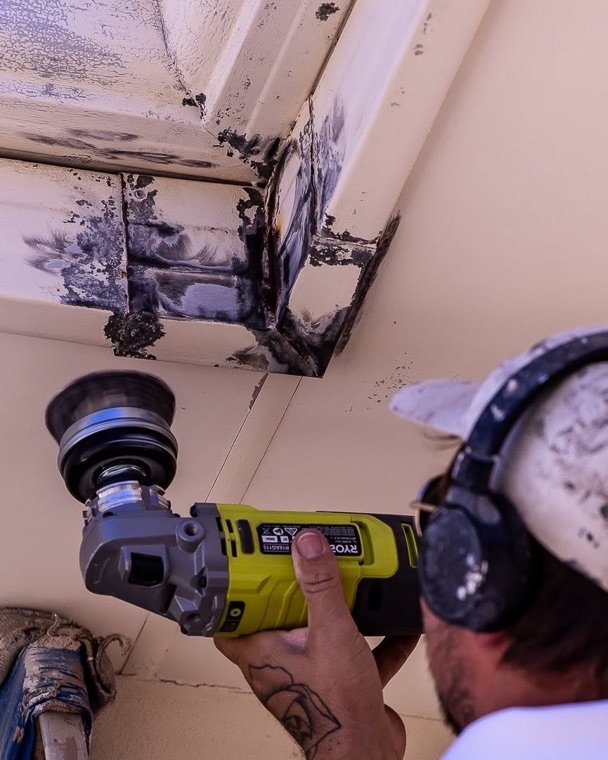
We inspect the render across the affected walls, checking the extent of the cracking, sounding out hollow and drummy sections, and assessing the surrounding surface, so we know exactly what we're dealing with before any work begins.
Identifying the cause
A repair that ignores why the render failed will simply fail again. We trace the cause, movement, moisture, poor preparation or impact, so the repair addresses the problem, not just the symptom.
Preparing the affected area
The area is cleaned back and prepared so new material bonds properly. Preparation is the single biggest factor in how long a render repair lasts.
Removing failed material
Cracked, drummy, loose and delaminated render is cut back to sound, stable substrate, creating a clean edge and a proper key for the repair.
Applying the repair system
We rebuild the area using render and materials matched to the existing wall and to Perth's conditions, applied in the correct sequence and allowed to cure properly.
Matching the existing finish
The repair is levelled flush and the texture matched to the surrounding render, so it disappears into the wall rather than standing out as a patch.
Final inspection
We check the finished repair against the surrounding surface, confirm it's sound and consistent, and make sure it's properly prepared for coating so the whole wall reads as one.
Render repairs and render restoration solve different problems, and knowing which one you need saves you money. Put simply: repairs fix damage, restoration refreshes a surface that has aged.
Repairing damaged render early stops moisture and movement turning a small crack into a failed wall. A hairline crack fixed now costs a fraction of re-rendering a whole elevation once water has been getting in behind it for a few seasons. In our experience, the most expensive render jobs almost always started as one small crack that was left a season or two too long.
Protects the building surface
Sound render is the barrier that shields the brickwork and structure behind it from the Perth sun, rain and salt air. Keeping it intact isn't just about looks, it's what stops water reaching the wall and causing far more expensive damage down the track.
Improves appearance
Cracks, mismatched patches and lifting render make an otherwise well-kept home look tired. A proper repair restores a clean, consistent surface, and if you're selling, it makes a real difference to that first impression from the street.
Prepares surfaces for repainting
A fresh coat of paint over damaged render never lasts; the damage telegraphs back through within a season. Repairing and preparing the render first gives the new coating a flat, stable, sound surface to bond to, which is the whole reason the finish holds.
Extends the life of exterior finishes
Render repaired and prepared correctly means the premium coatings on top last longer and perform the way they're designed to. Skip the repair and even the best paint is working against a failing surface, so it fails early too.
Questions
Render repairs Perth, frequently asked questions
Can cracked render be repaired?
In most cases, yes. The right repair depends on the type and cause of the cracking, fine surface cracks are treated differently to wider structural cracks around openings. We assess the crack, treat the cause, and repair it so it doesn't return. Render that has failed extensively across a wall may be more economically re-rendered, and we'll tell you honestly which applies.
Can hollow render be repaired?
Yes. Hollow render, render that sounds drummy when you tap it, has lost its bond with the wall behind, and left alone it eventually lifts or blows off, often taking a bigger section with it. We sound out the whole area first to map how far the hollow render has spread, then cut it back to sound, stable substrate and rebuild it so it bonds properly and blends into the surrounding finish.
How do you repair loose render?
Loose render that's bulging or lifting at the edges has already failed, and painting over it just hides the problem. We cut the loose render back to a solid edge, treat whatever caused it to let go, usually building movement or moisture behind the wall, and re-render the area so the repair holds rather than reappearing a season later.
Do you do isolated render patch repairs?
Yes, isolated damaged areas can often be patch-repaired without redoing the whole wall. We cut out the affected section, rebuild it in matching render, and blend it into the surrounding surface so the patch stays contained and discreet. Whether a patch repair or a larger repair is the right call comes down to how widespread the damage is.
Can you repair impact damage to render?
Yes. Impact damage, chips, holes and knocks from ladders, vehicles, equipment or storm debris, breaks through the render and exposes the wall behind to water. We make good the substrate, reinforce it where needed, rebuild the render and blend the repair so the wall reads as one continuous surface with no sign it was ever damaged.
Do render repairs include surface levelling?
They can, and it's a step we never skip before a repaint. Uneven render, old patch jobs and built-up areas show straight through a new coat, because paint catches every trowel line and lump in low, raking light. Surface levelling trues the wall back to a flat, consistent finish first, the difference between a repaint that looks factory-flat and one that looks patched.
How much do render repairs cost in Perth?
It depends on the extent and cause of the damage and the access to the walls. A few isolated cracks on a single-storey is a very different job to rebuilding hollow sections high on a two-storey. Rather than quote blind, we inspect the render and give you a clear written quote for free, with no obligation.
Will render repairs be visible?
Done properly, they shouldn't be. We match the render profile and texture and level the repair flush with the surrounding wall. On some finishes, coating the full wall or elevation is the surest way to make a repair completely invisible, and we'll advise if that's needed.
Should render repairs happen before painting?
Always. Painting over cracked, hollow or loose render simply hides the problem, and the damage telegraphs back through the new coating within a season. Repairing and preparing the render first is what makes a repaint last.
Can water-damaged render be repaired?
Yes, but the source of the water has to be dealt with first, blocked weep holes, failed sealant or drainage issues. We trace and address the cause, repair the affected render, and prepare it so the damage doesn't return.
Do you repair acrylic and foam (EPS) render?
Yes. As well as traditional sand-and-cement render, we repair acrylic render and lightweight foam (EPS) render systems, which are common on newer Perth homes. Each behaves differently: foam render tends to take impact and joint damage, while acrylic render can craze and lift. We repair each with the matching materials and rebuild the profile so the fix blends in.
Can you match my existing render finish?
Matching profile and texture is a core part of a good repair. We work to blend the repaired area into the surrounding render so it reads as one continuous surface rather than a visible patch.
Do you repair render on two-storey homes?
Yes. Upper-storey and hard-to-access render is a regular part of our work right across Perth. Access is factored into the quote, and the repair is carried out to the same standard as ground-floor work.